In post-conflict countries, the journey towards lasting peace involves a multifaceted approach that extends beyond political, economic, and security measures. Artistic practice and cultural experience play a pivotal role in healing societies, fostering reconciliation, and building a shared sense of identity and community.
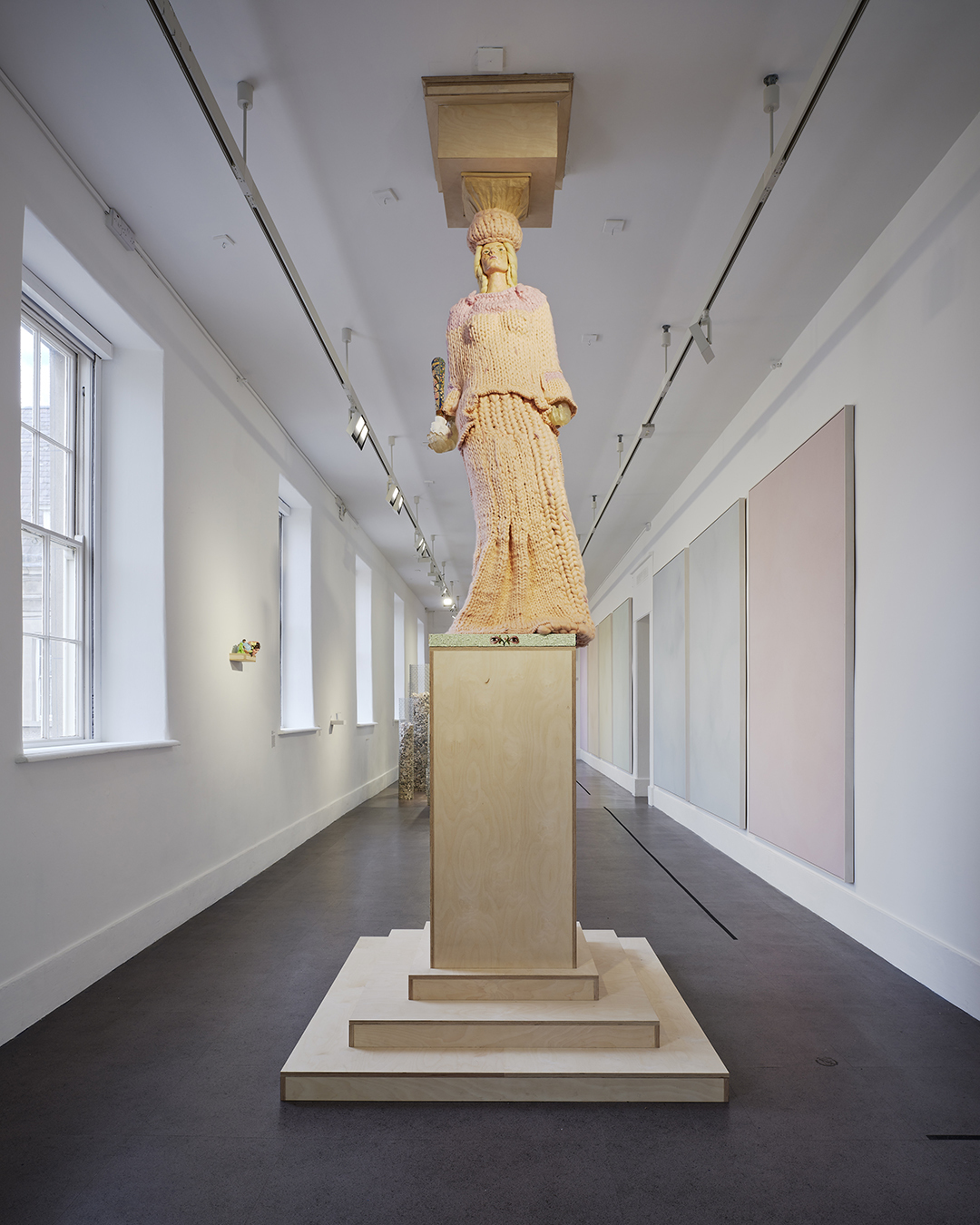
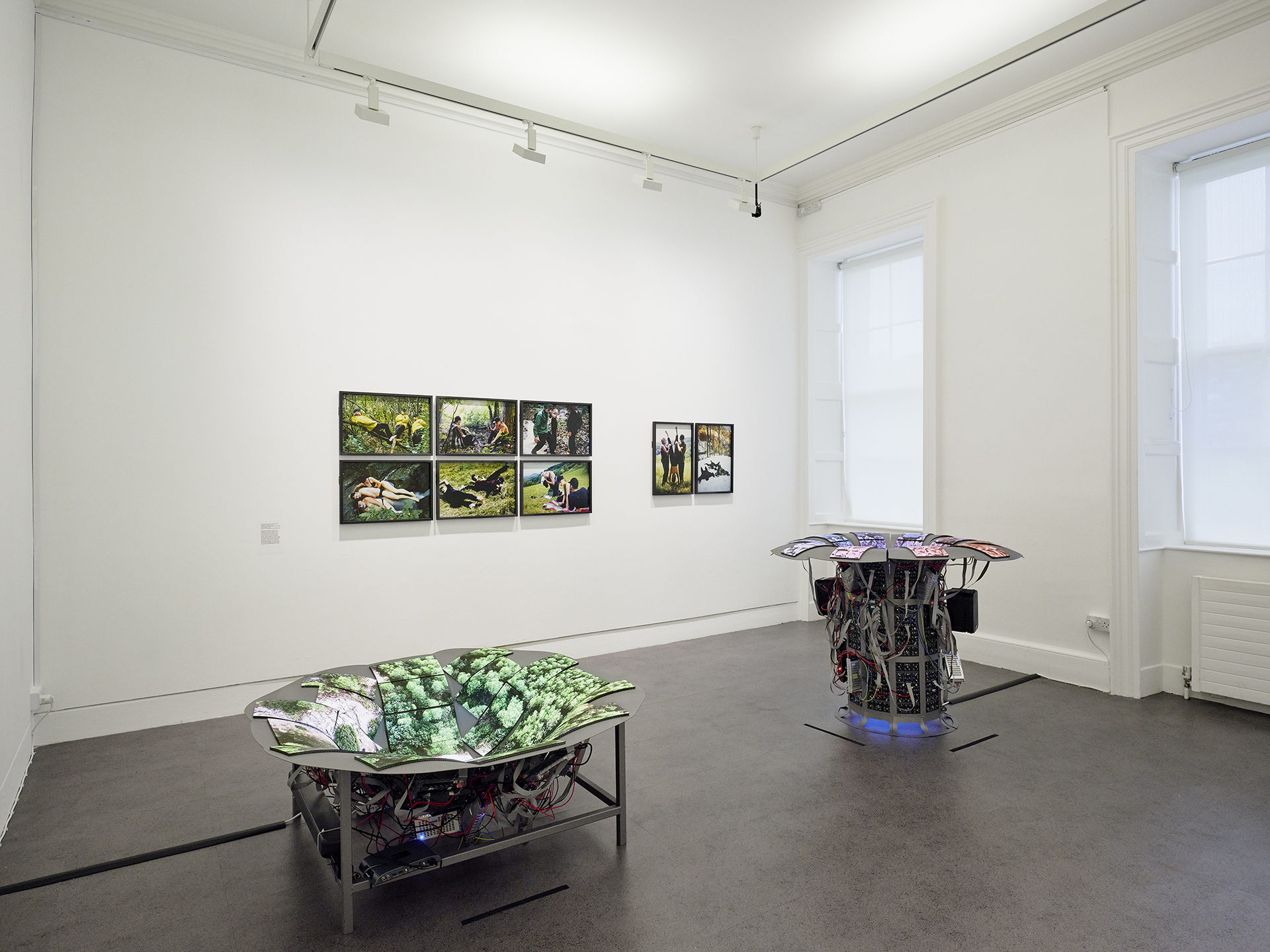
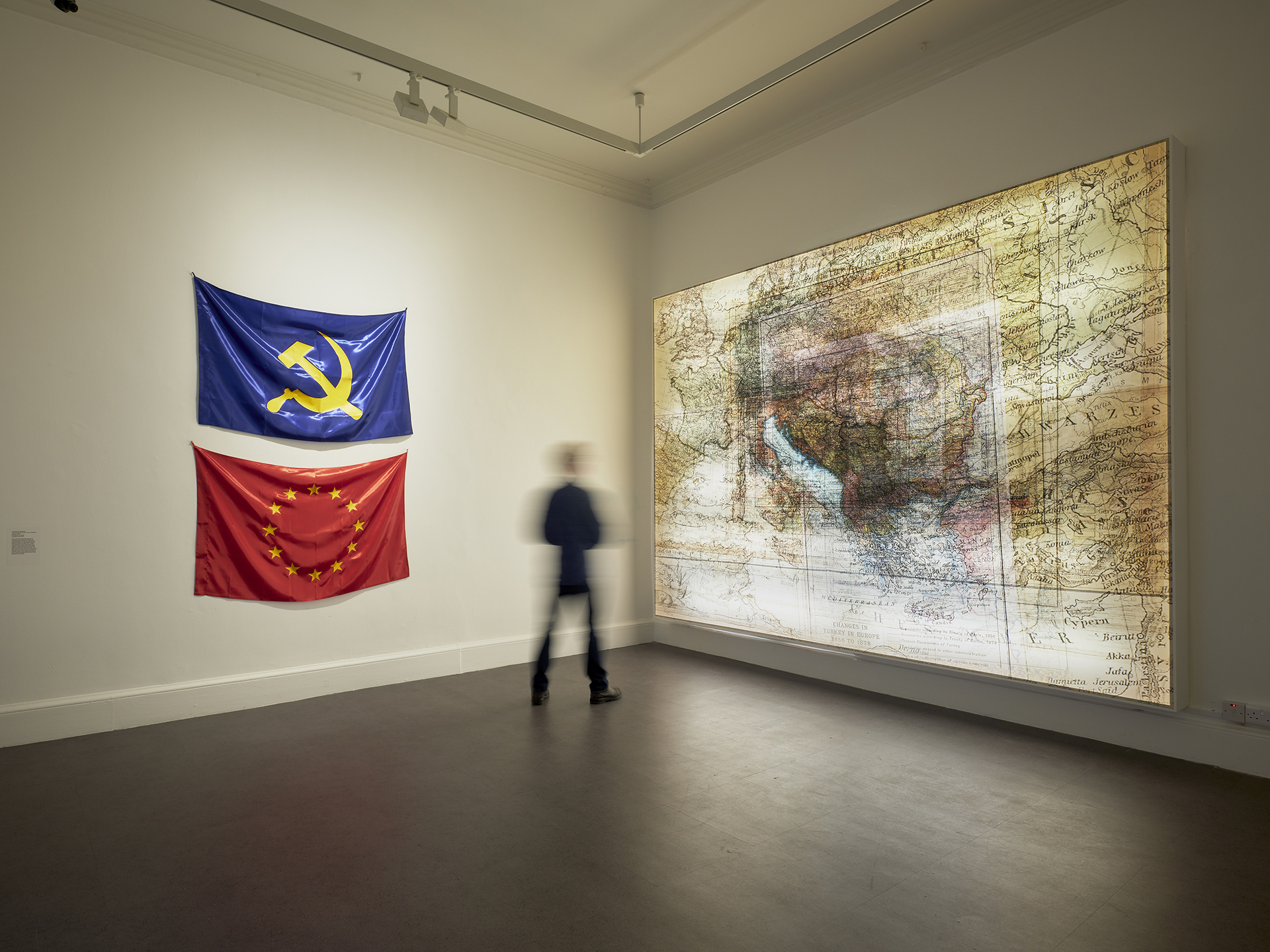
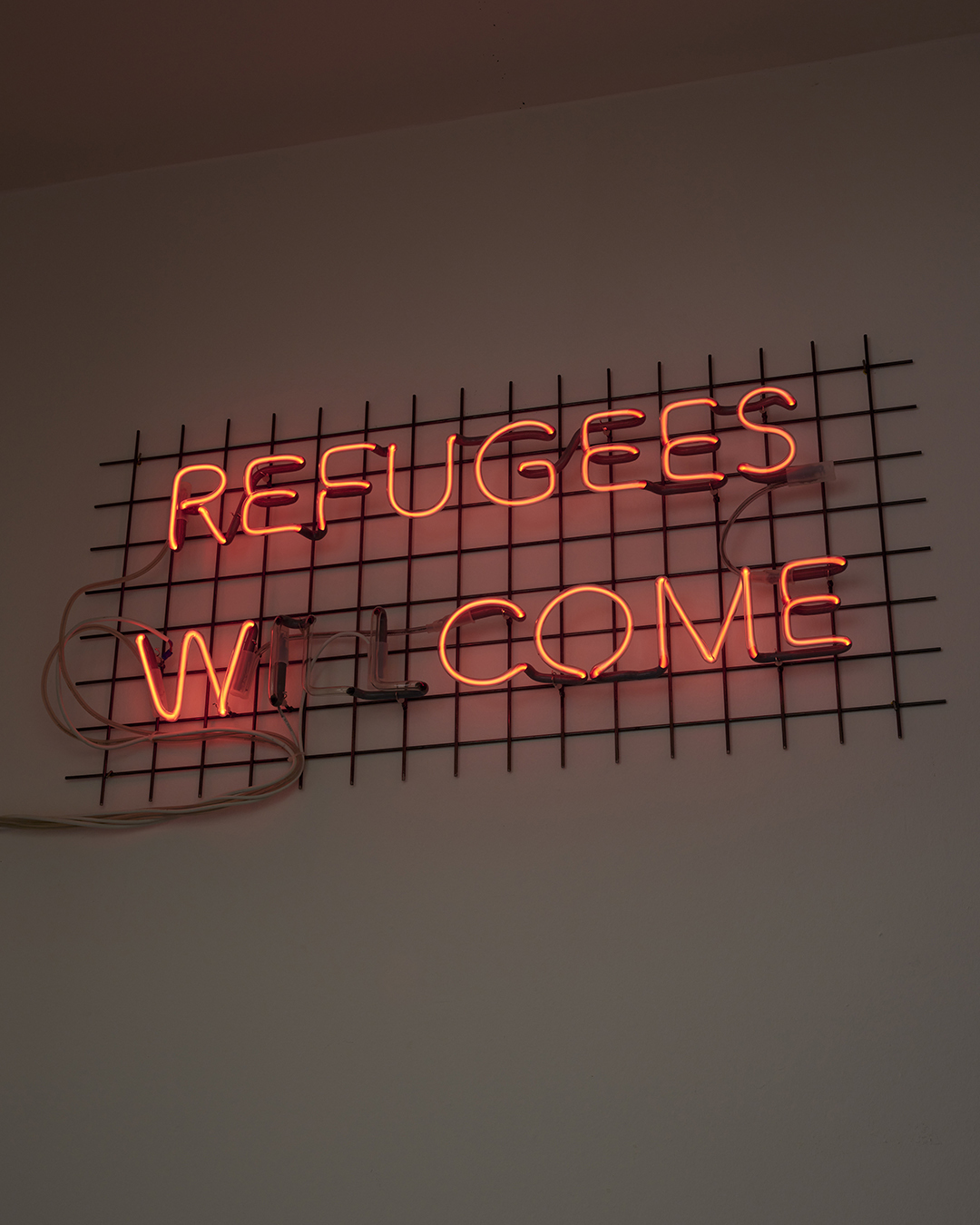
The exhibition Technologies of Peace: Art and Transition in Contemporary Europe (1989–2026) aims to explore the concept of peace, the tools of peace and how they are deployed through an artistic lens. The exhibition will focus specifically on the period between 1990s to the present day, and through the lens of artistic practices will draw parallels between Ireland’s complex political history with those of our European counterparts that have had similar trajectories in transitioning from post-conflict into democratic states of peace and stability.
Within peace and conflict research, the study of peace has received far less scholarly attention than the study of war and violence. Moreover, among the studies that pay particular attention to peace, a negative peace conception, which equates peace with the absence of direct violence between formerly warring parties, has generally dominated. Consequently, peace itself is under conceptualised.
The period from 1989 to the present day has been marked by significant political and social changes in Ireland, particularly in the context of the conflict in the North of Ireland and the subsequent peace process. This project seeks to reflect on these changes through the lens of artistic practice and cultural expression, situating Ireland’s experience within a broader international context. By examining how free expression, identity management, and cultural practices have evolved in post-conflict societies, this project will offer insights into the role of art in peacebuilding and democratic development.
The IMMA Collection will form a central part of the exhibition with key works from Frances Hegarty, Willie Doherty, Cathy Wilkes, Alastair MacLennan and Sandra Johnston. The Dwell Here residency programme at IMMA will also provide a focus with artists such as Amanda Dunsmore.