MENUCLOSE

Opening Hours

Full opening hours

Location

Royal Hospital Kilmainham
Dublin 8, D08 FW31, Ireland
Phone +353 1 6129900

View Map

Find us by


In post-conflict countries, the journey towards lasting peace involves a multifaceted approach that extends beyond political, economic, and security measures. Artistic practice and cultural experience play a pivotal role in healing societies, fostering reconciliation, and building a shared sense of identity and community.   

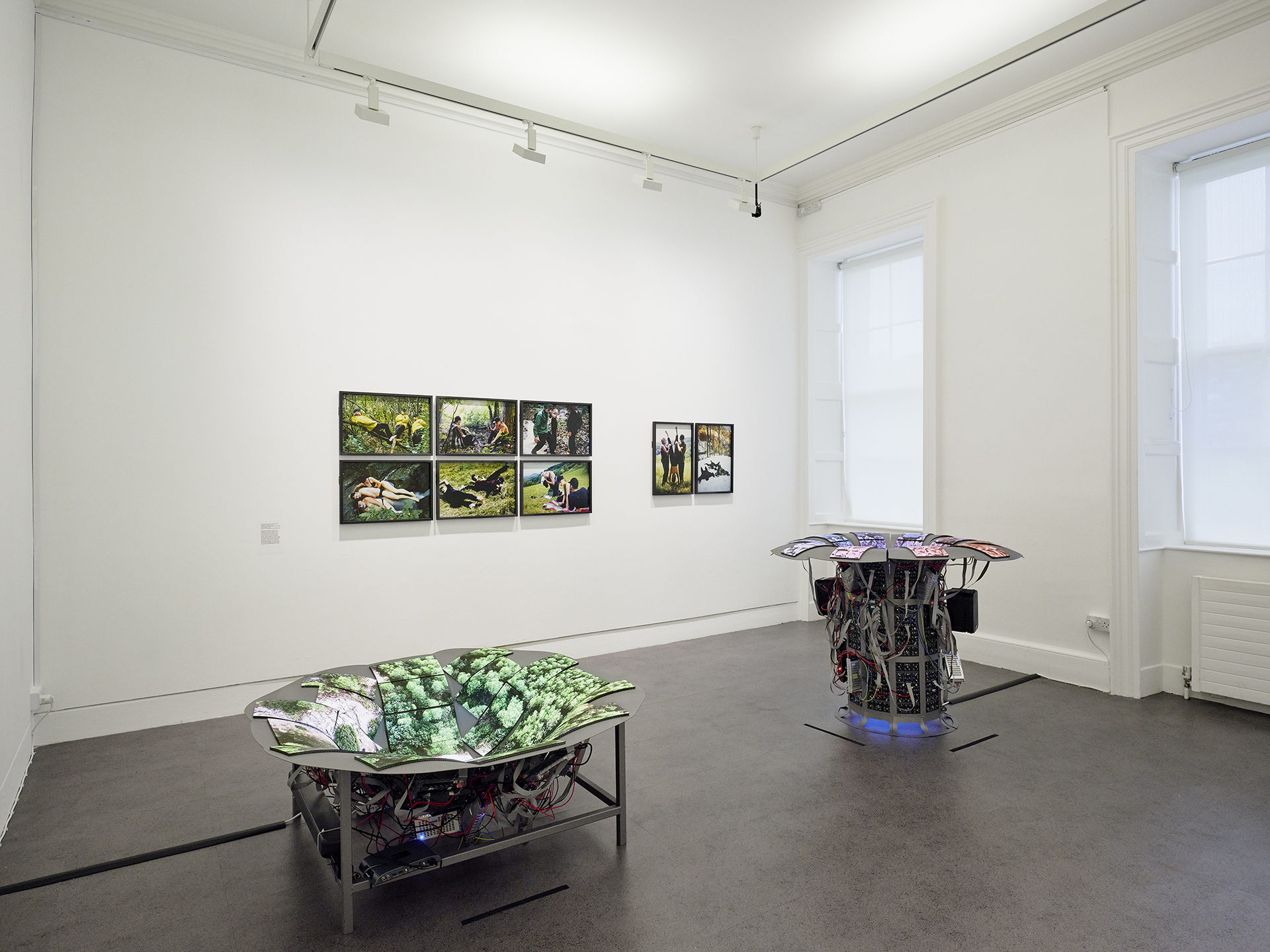
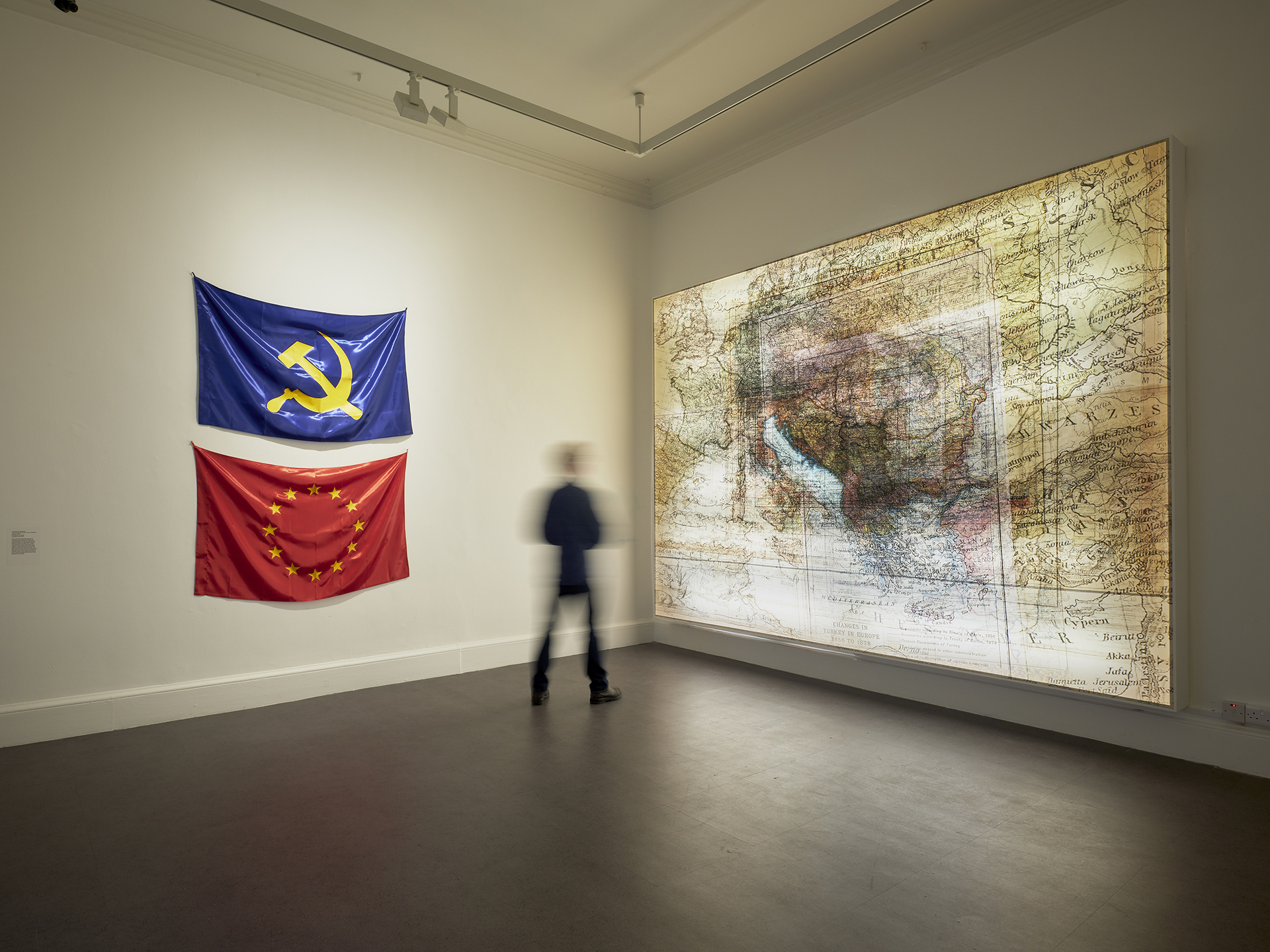
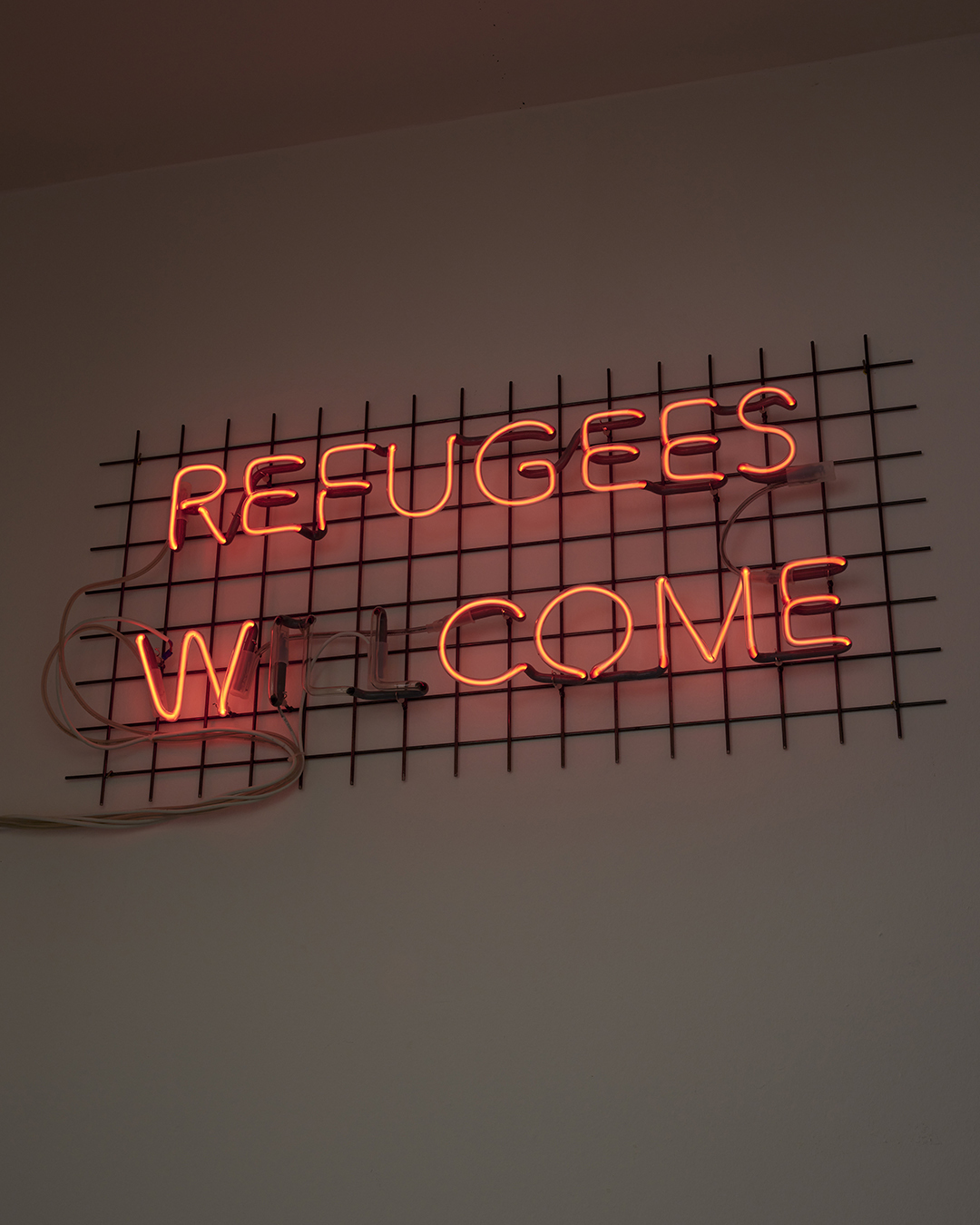
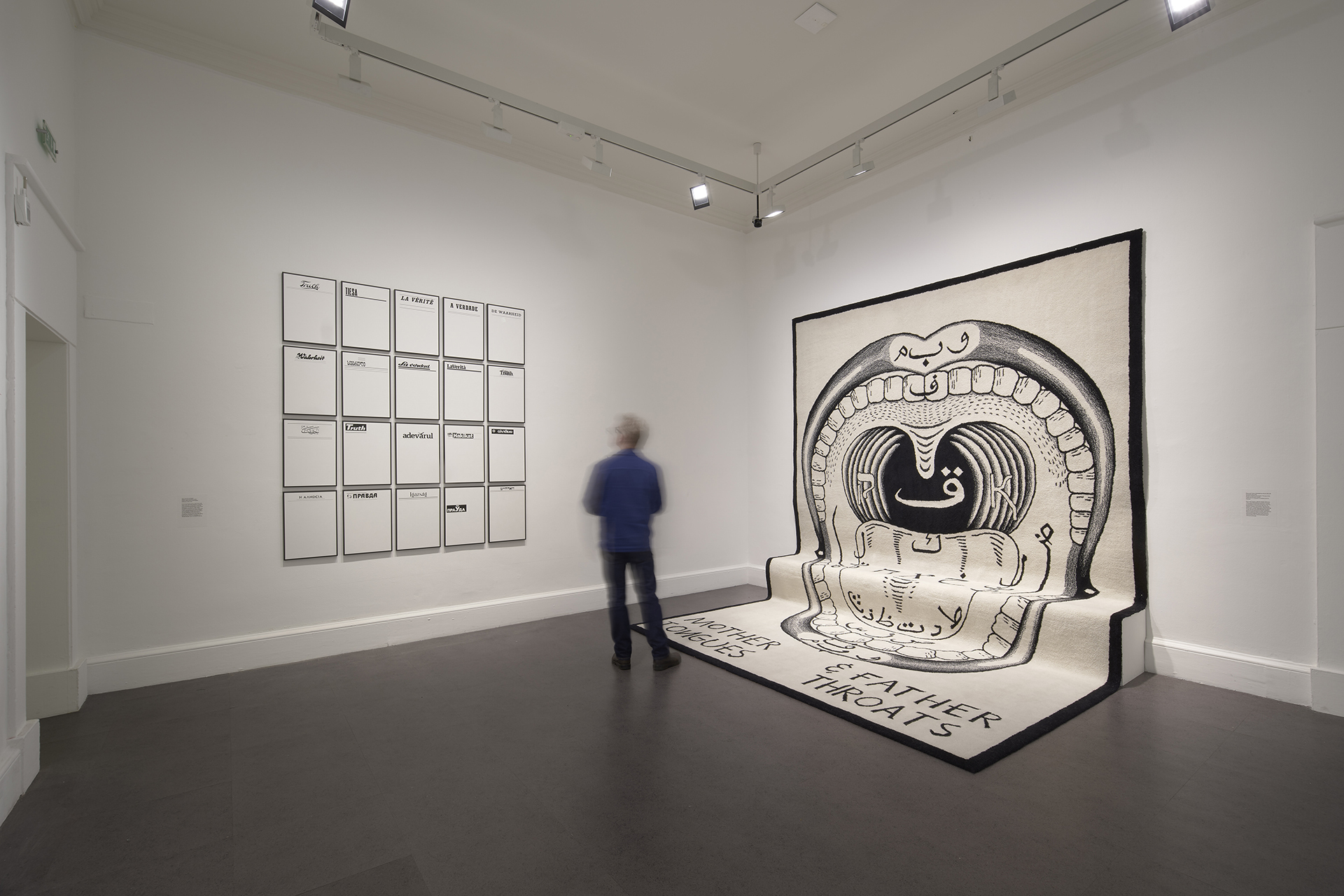
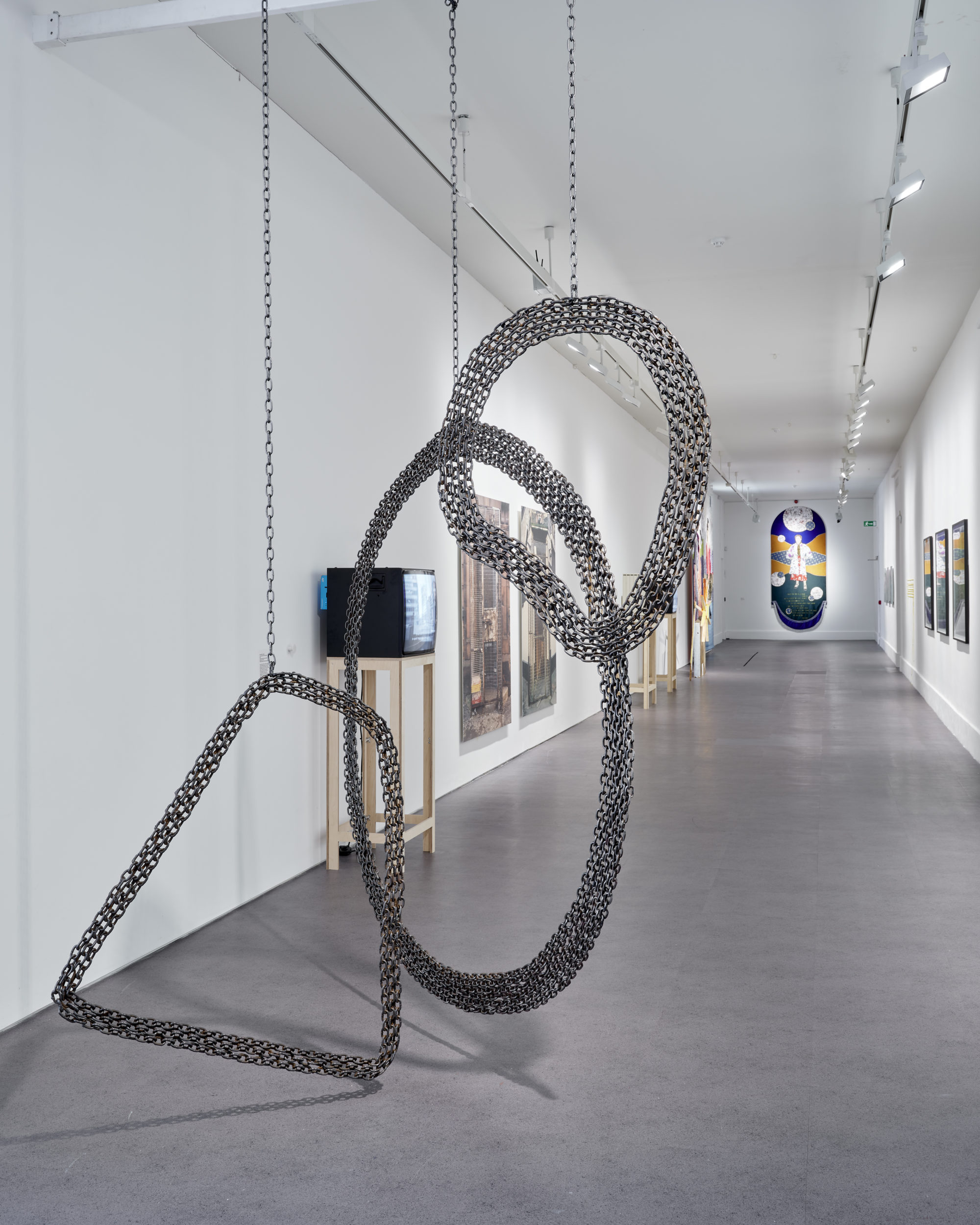
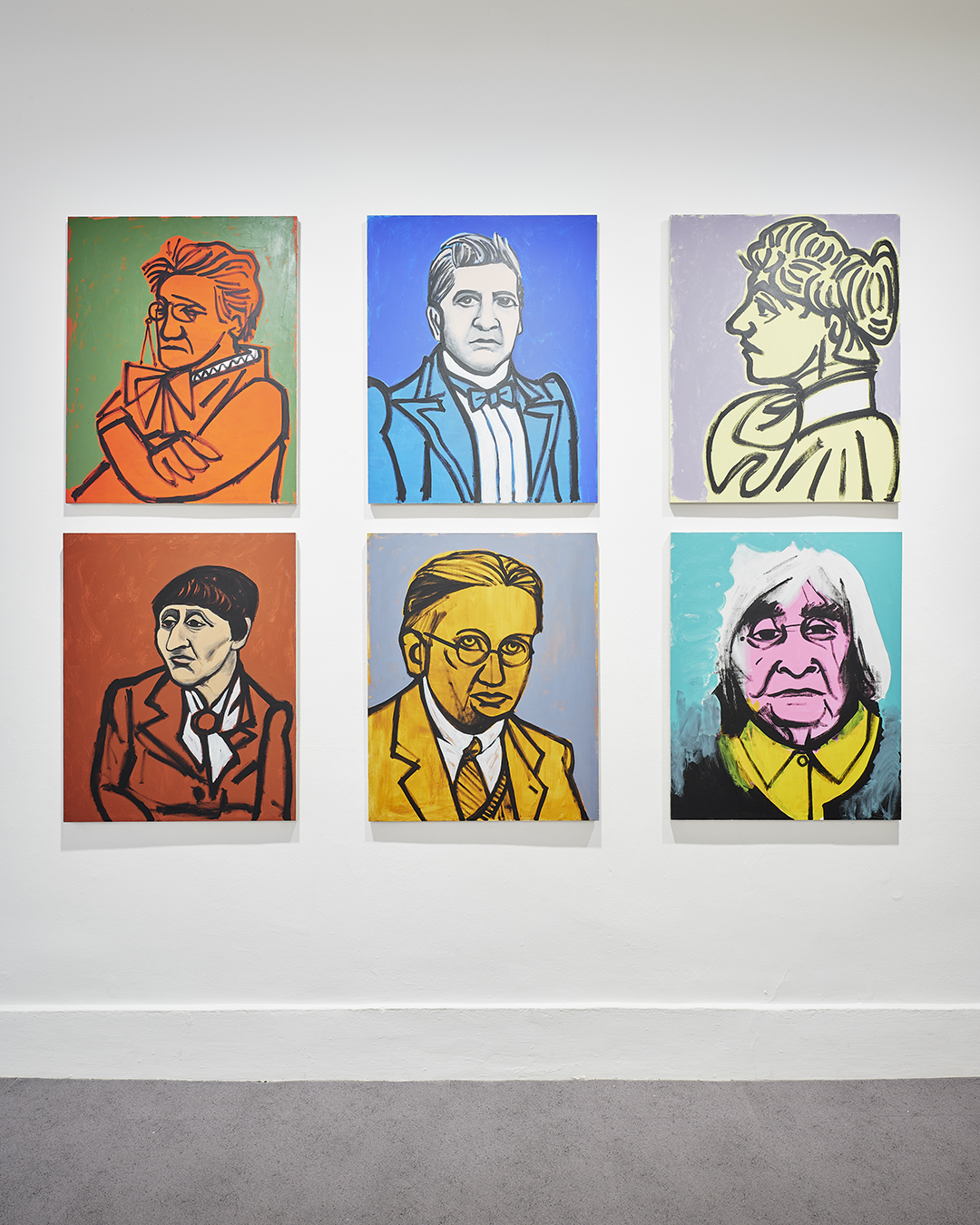
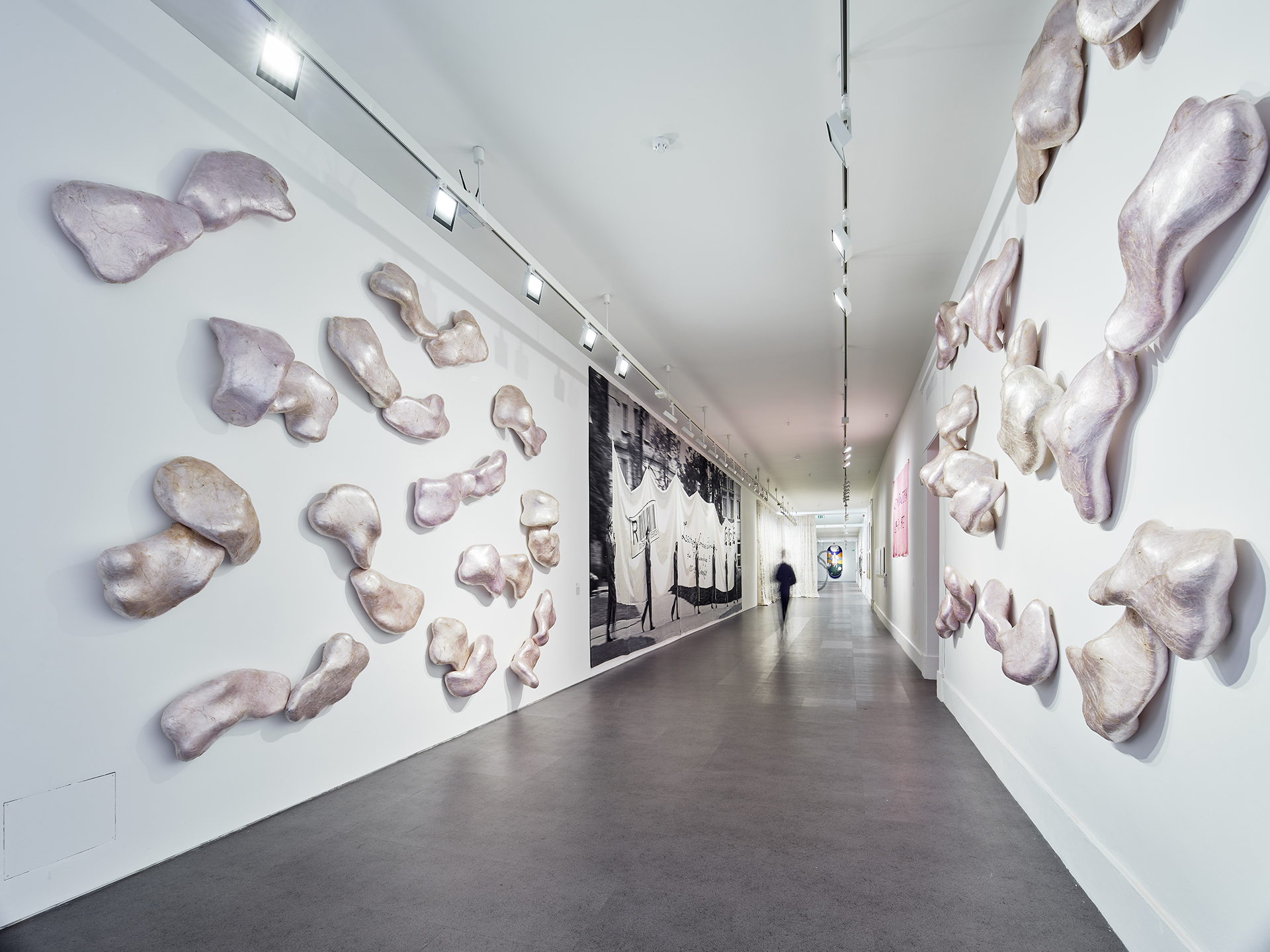
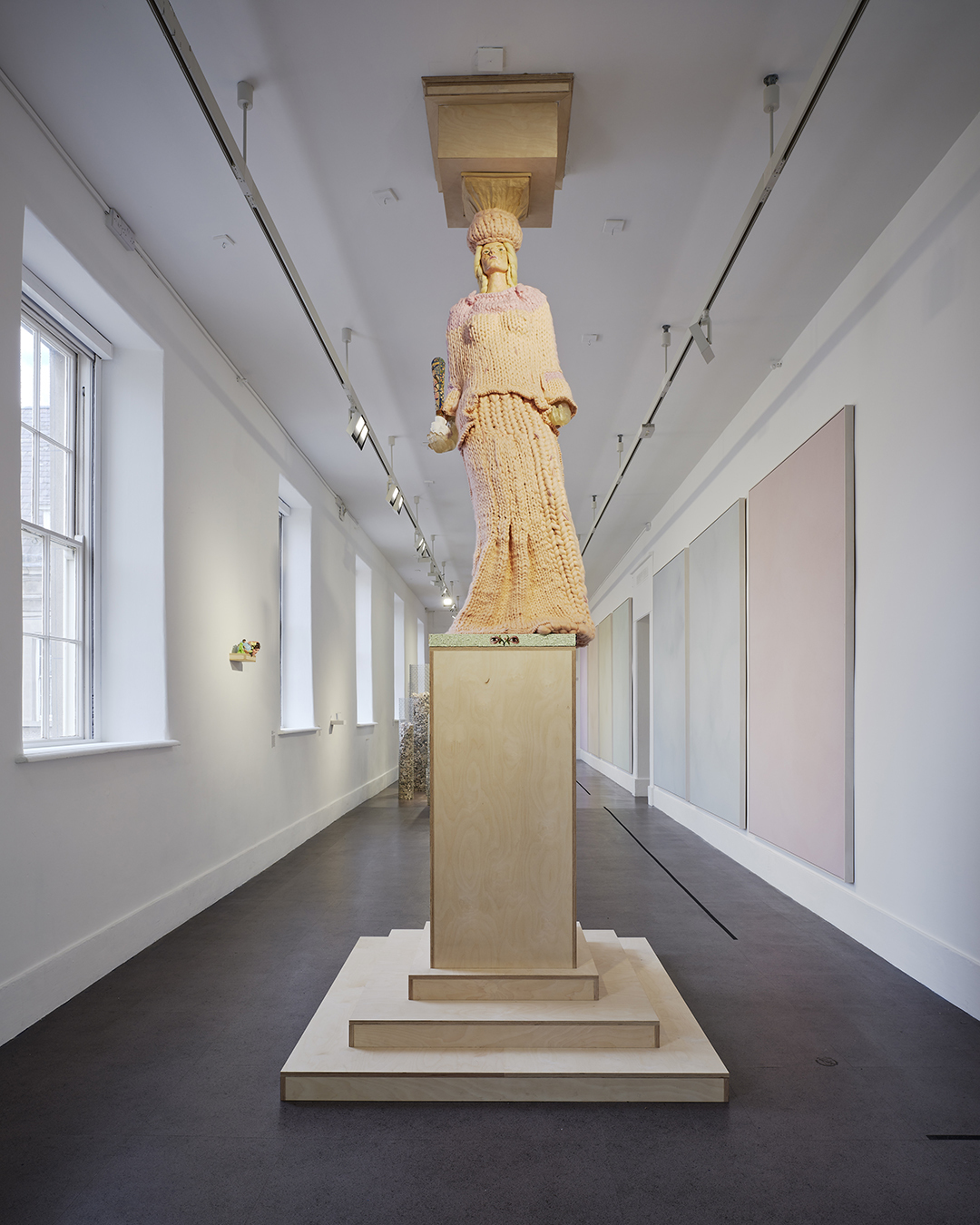
The exhibition Technologies of Peace: Art and Transition in Contemporary Europe (1989–2026) aims to explore the concept of peace, the tools of peace and how they are deployed through an artistic lens. The exhibition will focus specifically on the period between 1990s to the present day, and through the lens of artistic practices will draw parallels between Ireland’s complex political history with those of our European counterparts that have had similar trajectories in transitioning from post-conflict into democratic states of peace and stability.

Within peace and conflict research, the study of peace has received far less scholarly attention than the study of war and violence. Moreover, among the studies that pay particular attention to peace, a negative peace conception, which equates peace with the absence of direct violence between formerly warring parties, has generally dominated. Consequently, peace itself is under conceptualised. 

The period from 1989 to the present day has been marked by significant political and social changes in Ireland, particularly in the context of the conflict in the North of Ireland and the subsequent peace process. This project seeks to reflect on these changes through the lens of artistic practice and cultural expression, situating Ireland’s experience within a broader international context. By examining how free expression, identity management, and cultural practices have evolved in post-conflict societies, this project will offer insights into the role of art in peacebuilding and democratic development.

The IMMA Collection will form a central part of the exhibition with key works from Frances Hegarty, Willie Doherty, Cathy Wilkes, Alastair MacLennan and Sandra Johnston. The Dwell Here residency programme at IMMA will also provide a focus with artists such as Amanda Dunsmore. 

Exhibition Guide 


Exhibition Guide

Exhibiting Artists

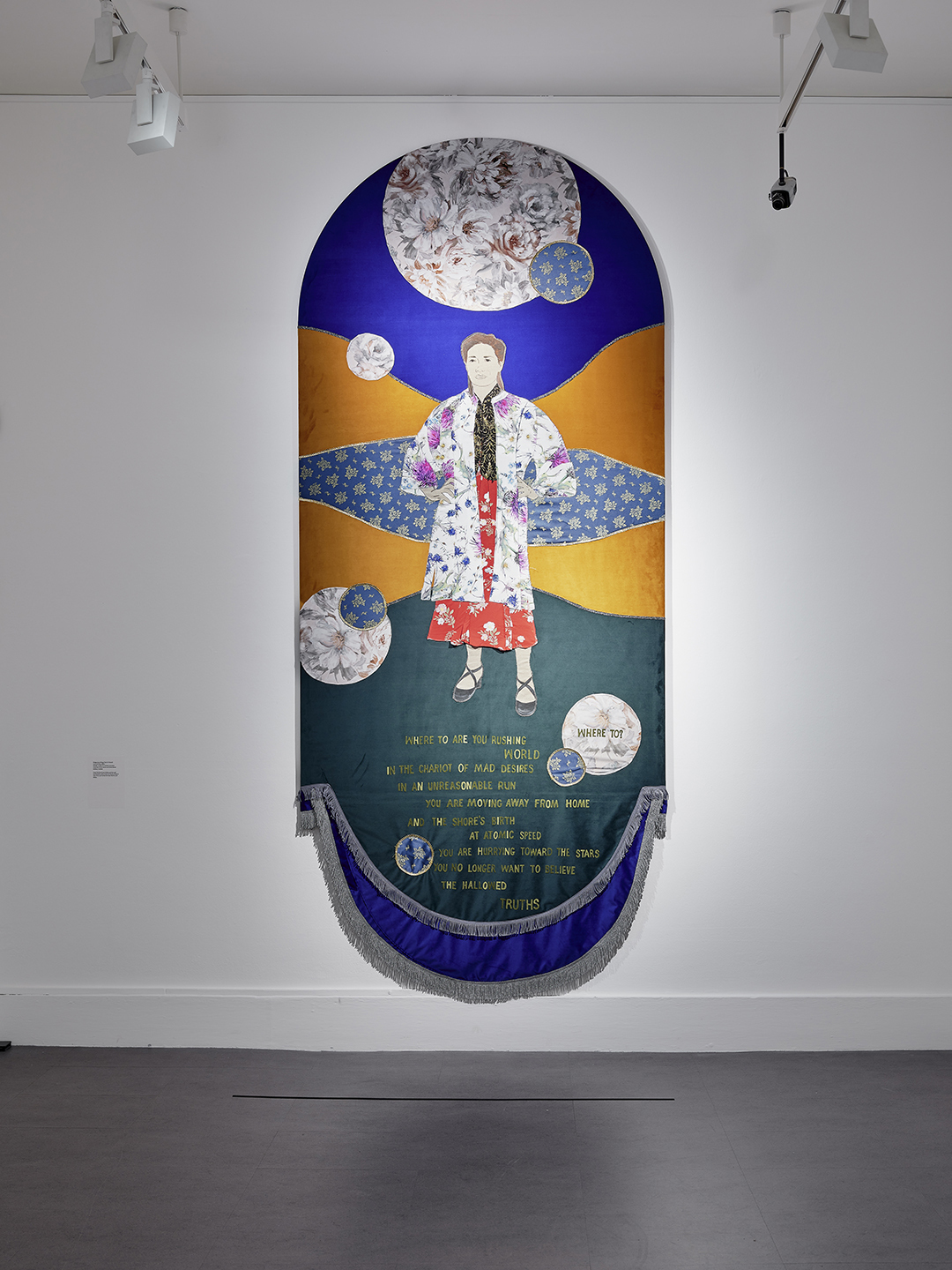
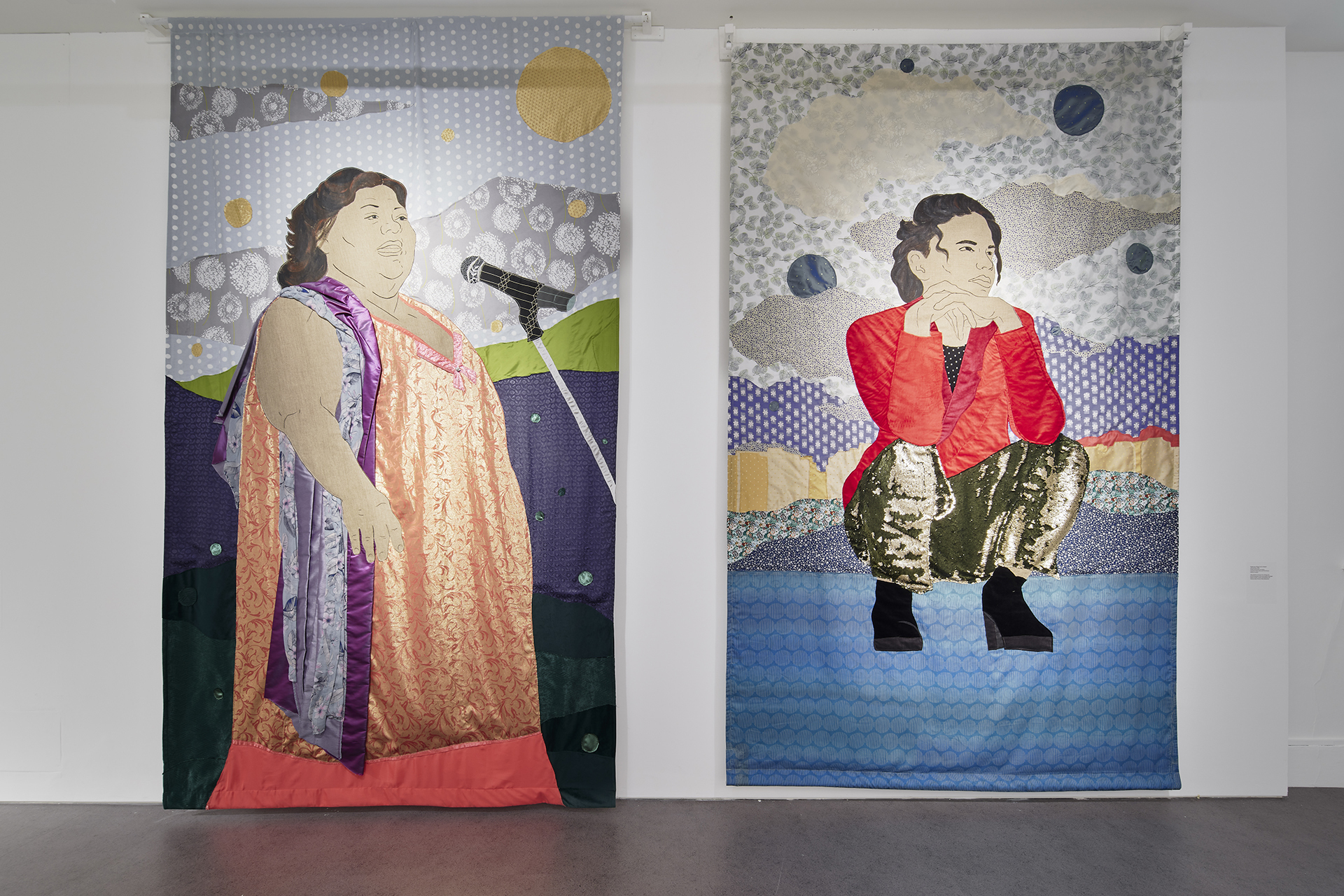
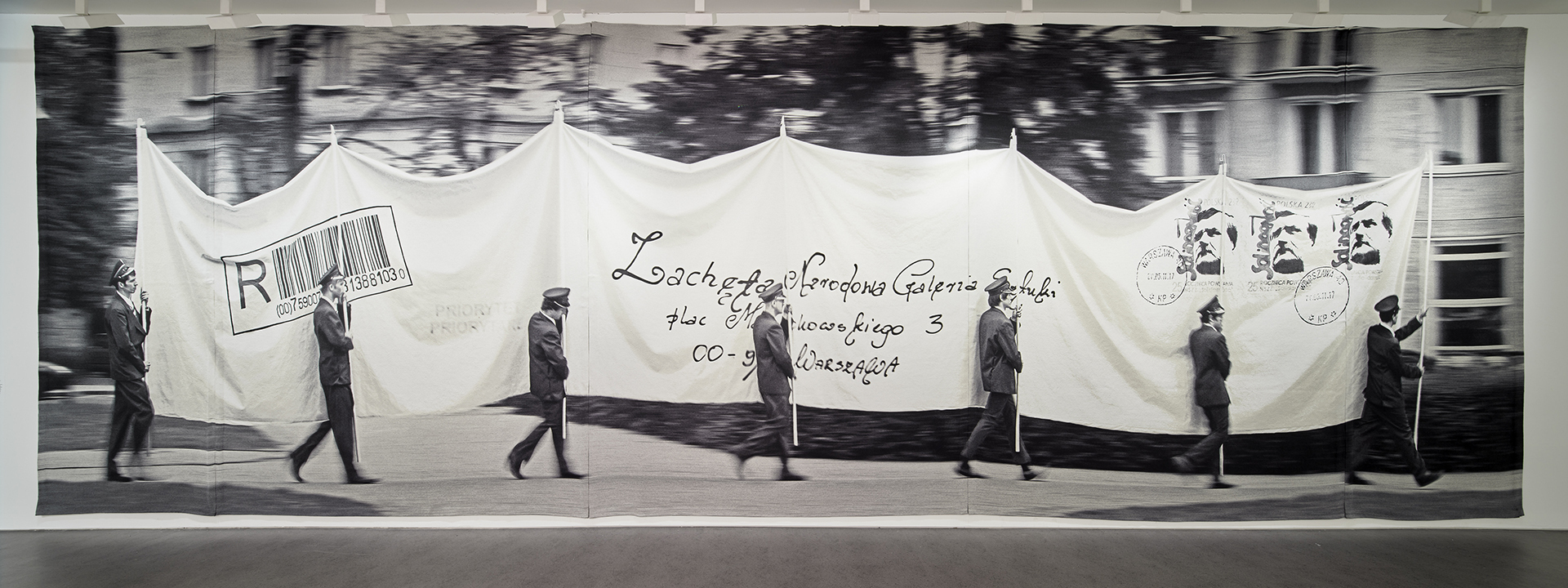
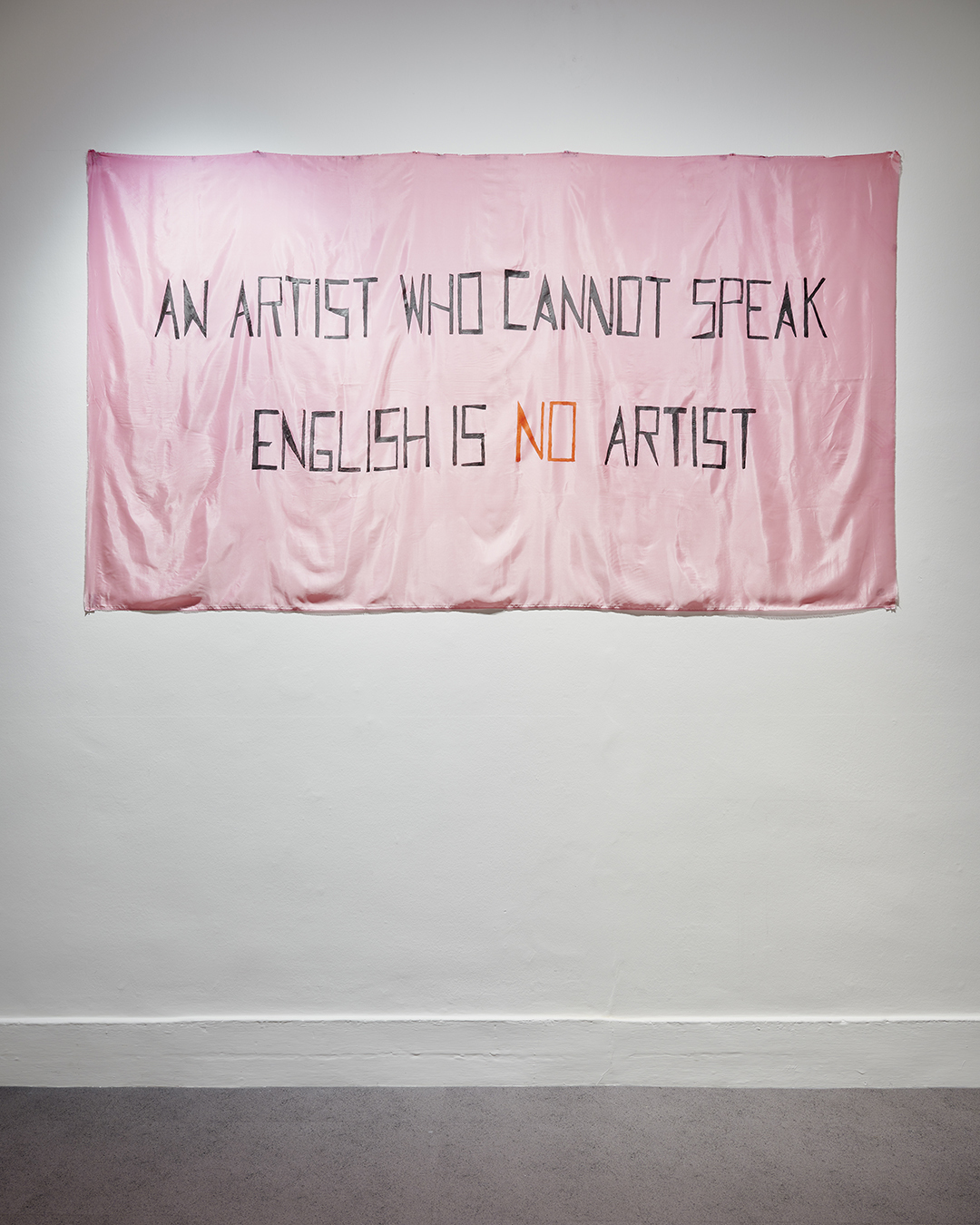
Participating artists: Marina Abramović, Ileana Arnaoutou, Nika Autor, Aleksandar Battista Ilić in collaboration with Ivana Keser and Tomislav Gotovac, Ursula Burke, Alán Carrasco, Jasmina Cibic, Lana Čmajčanin, Fábio Colaço, Phil Collins, Willie Doherty, Rita Duffy, Amanda Dunsmore, Petros Efstathiadis, Andrea Geyer, Igor Grubić,  Đejmi Hadrović, Petrit Halilaj, Anthony Haughey, Frances Hegarty, Saskia Holmkvist, Sanja Iveković, Sandra Johnston, Dragana Jurišić, Šejla Kamerić, Barbara Knežević, Siniša Labrović, Nicolas Lambouris, Latent Community, Manolis D. Lemos,  Glenn Loughran, Alastair MacLennan, Goshka Macuga, Petra Matić, Emily McFarland, Małgorzata Mirga-Tas, Petros Moris, Locky Morris, Alban Muja, Mairéad McClean, William McKeown, Vlad Nancă, Eleni Odysseos, Claudia Pagès Rabal, Christodoulos Panayiotou, Karol Radziszewski, María Ruido, Edita Schubert, Paul Seawright, Driton Selmani, Indrė Šerpytytė, Slavs and Tatars, Mladen Stilinović, Bojan Stojčić, Anne Tallentrie, Kostis Velonis, Vangelis Vlahos, Cathy Wilkes, Mona Vatamanu and Florin Tudor.


Living Canvas at IMMA Screenings

11 – 24 September 2026

Marina Abramović, The Hero, 2001, Single channel video (b/w, sound), 14’21”2001, © Marina Abramović 
Courtesy of the Marina Abramovic Archives and LI-MA

About the film
Abramović dedicated ‘The Hero’ to her father, who was a soldier in World War II. Her mother was helping wounded soldiers at the front line, but at a certain moment got typhus in the middle of a battle. As the story goes, she was lying unconscious in the snow among the wounded soldiers, while Abramović’s father was fighting the enemy with his division, retreating towards the forest where the mother was lying. Passing her on a white horse, the father saw her hair protrude from the top of the blanket. Abramović’s mother had beautiful hair, so he stopped, dismounted his horse, and lifted the blanket. When he saw her, he immediately and without any words carried her away on his horse to unoccupied territory and left her in a village with a peasant family.

Through the fog of the fever she saw his face. She stayed with the peasant family for one month while she was recovering and then she went back to the front line. One year later the wounded soldiers were coming into the improvised hospital where Abramović’s mother was working. She recognized among them, bleeding heavily on a stretcher, Abramović’s father. She found out that he was the same blood group as her, gave her blood for a transfusion and saved his life. Marina Abramović was born one year later. She said about the performance: ‘After my father’s death I decided to make this work. I am sitting motionless on the white horse with a white flag blowing in the wind. I stay there for an indefinite time. The female voice is singing, from her memory, the Yugoslavian national anthem from the time of Tito. The video image is black and white because I wanted to emphasize the past and memory.’

For further details of the Living Canvas at IMMA Outdoor Screening Programme click here.


Additional Resources 


Additional Resources

Supporters

RTÉ Supporting the Arts